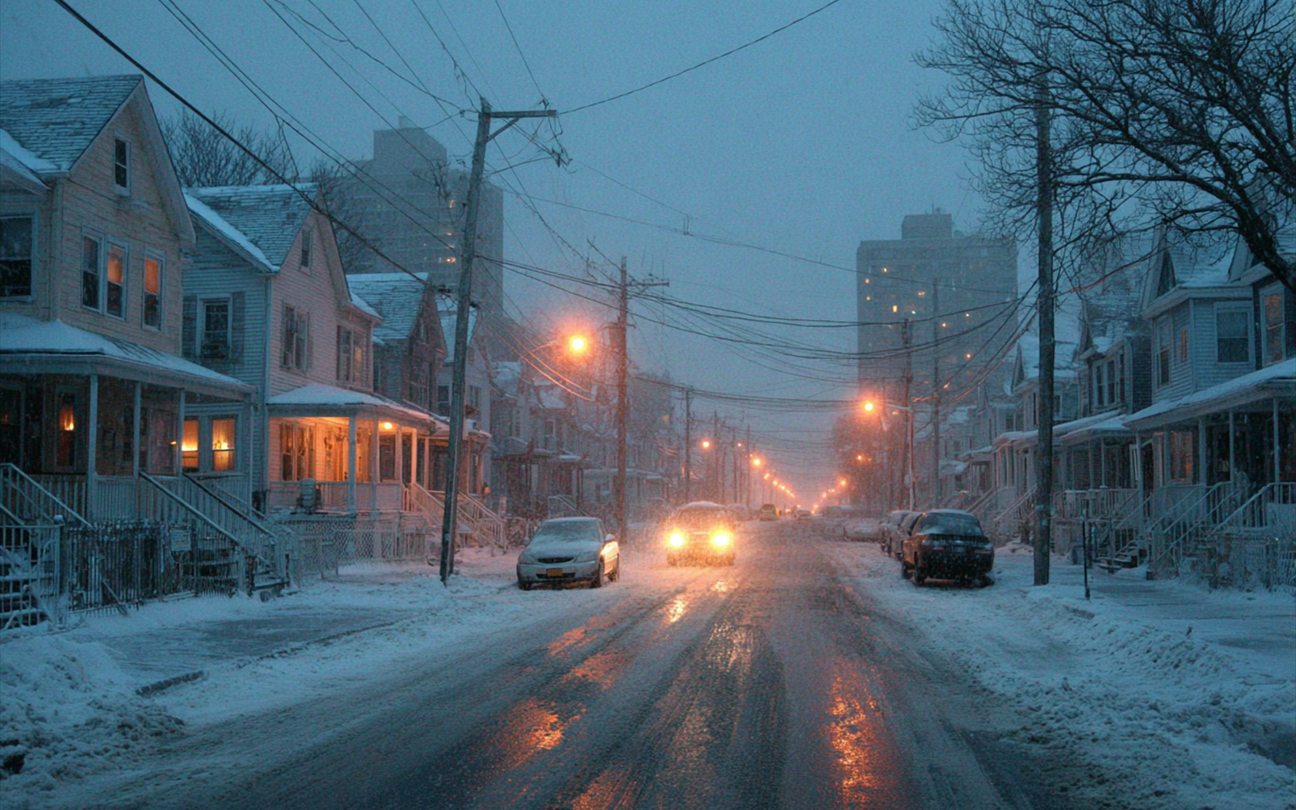
Elizabeth and the towns along its eastern side sit near open water, and storms that come off it carry strong gusts. Nor'easters in particular bring hours of wind-driven rain. A shingle roof that handles a calm downpour can lose shingles in a storm like that, or start leaking because rain is blown sideways under the edges. How well a roof holds up depends on the shingles, how they're nailed, and how the edges are finished.
How Wind Damages Shingles
- The seal breaks. Each shingle has a strip of adhesive that bonds it to the one below. Heat activates it after installation. Old or poorly sealed shingles can come loose.
- The edge lifts. Once a shingle edge lifts, the next gust gets under it.
- The shingle creases or tears. A creased shingle may stay on the roof but no longer keep water out.
- Rain blows in. With edges lifted, wind-driven rain gets under shingles and behind flashing.
What Wind Ratings Mean
Shingle packages list a wind resistance figure, often given as a wind speed the shingle is tested to. Higher ratings generally come with stronger adhesive strips and, in many cases, specific installation requirements. The rating only holds if the shingles are installed the way the manufacturer specifies.
Nailing Matters as Much as the Shingle
- The nailing line. Each shingle has a marked area for nails. Nails placed too high miss the layer below and hold less.
- The number of nails. Higher wind ratings often require more nails per shingle.
- Starter strips. A row of adhesive starter shingles along the eaves and rake edges keeps the first course from lifting.
- The edges. Drip edge and rake edge metal, fastened well, keep wind from getting a grip at the perimeter.
Ridge Caps and Vents
The top of the roof takes the most wind. Ridge cap shingles, the folded pieces that cover the peak, can loosen and blow off before anything else does. Ridge vents and box vents also catch wind and can let rain in sideways if they're the wrong type for an exposed roof. On streets that face open water or wide parking lots, ask the roofer about ridge caps and vents made for high wind, and how they'll be fastened.
Older Roofs in Windy Spots
A roof that's 15 or 20 years old has shingle seals that have weathered many summers and winters. It may pass a calm inspection but lose shingles in the first strong storm. If your roof is older and you've started finding shingles in the yard after storms, that's often a sign the seals are giving out across the roof, not just in one spot. A roofer can check a few shingles by hand to see how well they're still bonded.
After a Windy Storm
Look for shingles or pieces of flashing on the ground. From the street, look for shingles that appear lighter, lifted or missing. Take photos. Don't go up on the roof. Forecasts and wind warnings for the area come from the National Weather Service in New York.
Questions
Are shingles with higher wind ratings worth it near the water?
On exposed streets, often yes, especially paired with proper nailing and starter strips. Ask the roofer what they recommend for your location.
Can lifted shingles be resealed?
Sometimes, if they haven't creased or torn. Creased shingles should be replaced.
Does insurance cover wind damage?
Many homeowners policies cover sudden wind damage, subject to the deductible. Read your policy or ask your agent; coverage varies.
Around Elizabeth
Wind exposure is greatest along the water in Elizabethport and on the east side of Linden, and storms reach the North End too. Shingle work is covered on shingle roofs.
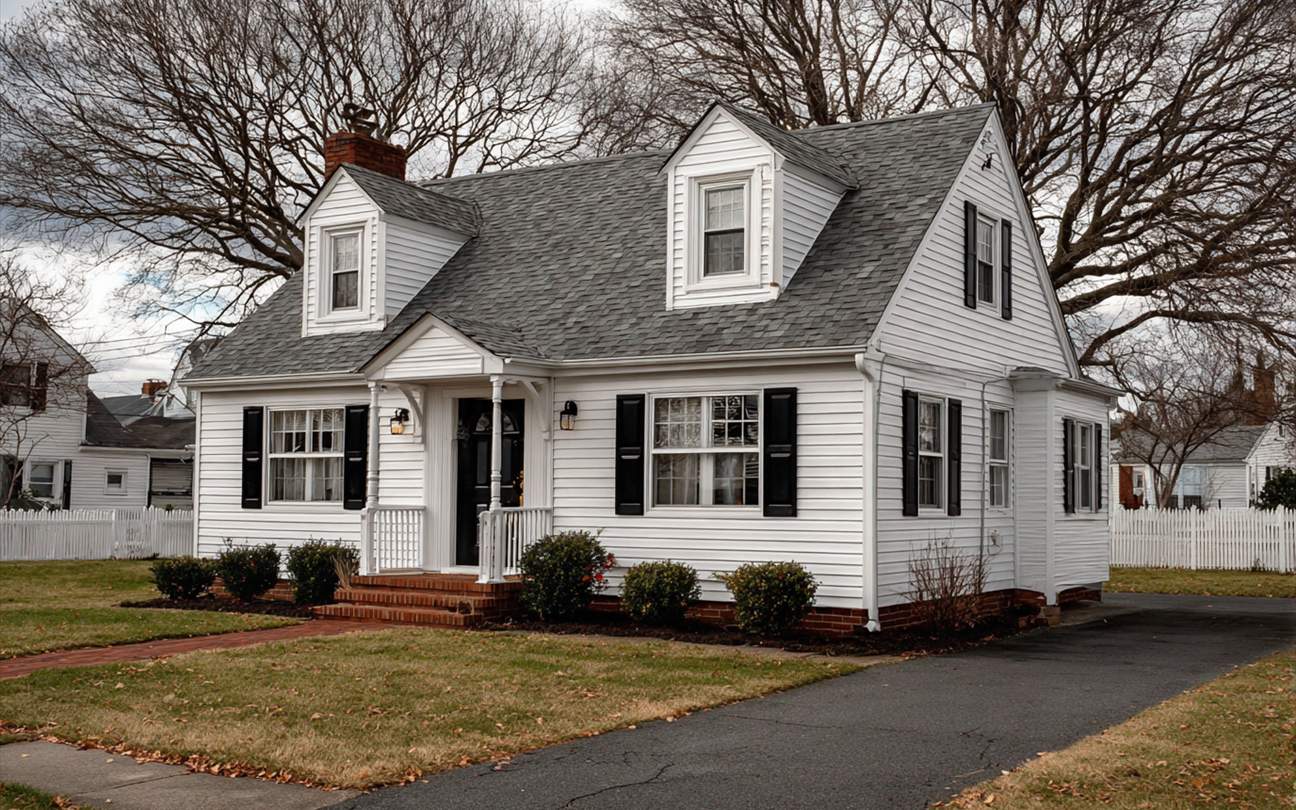
Shingle Rejuvenation Sprays: What They Can and Can't Do
A plain look at spray-on shingle treatments.

Mansard, Gambrel and Steep Older Roofs
Unusual shapes, and what they ask of a roofer.