Ponding Water, Roof Drains and Scuppers on Flat Roofs
Why water sits, where it should go, and what fixes it.
ELIZABETH, NJ · UNION COUNTY
Water dripping into the upstairs bedroom of a two-family. A flat roof still holding a puddle two days after a nor'easter. Curled shingles on a Cape in Cranford. Leak over the bedroom? (908) 270-5628.
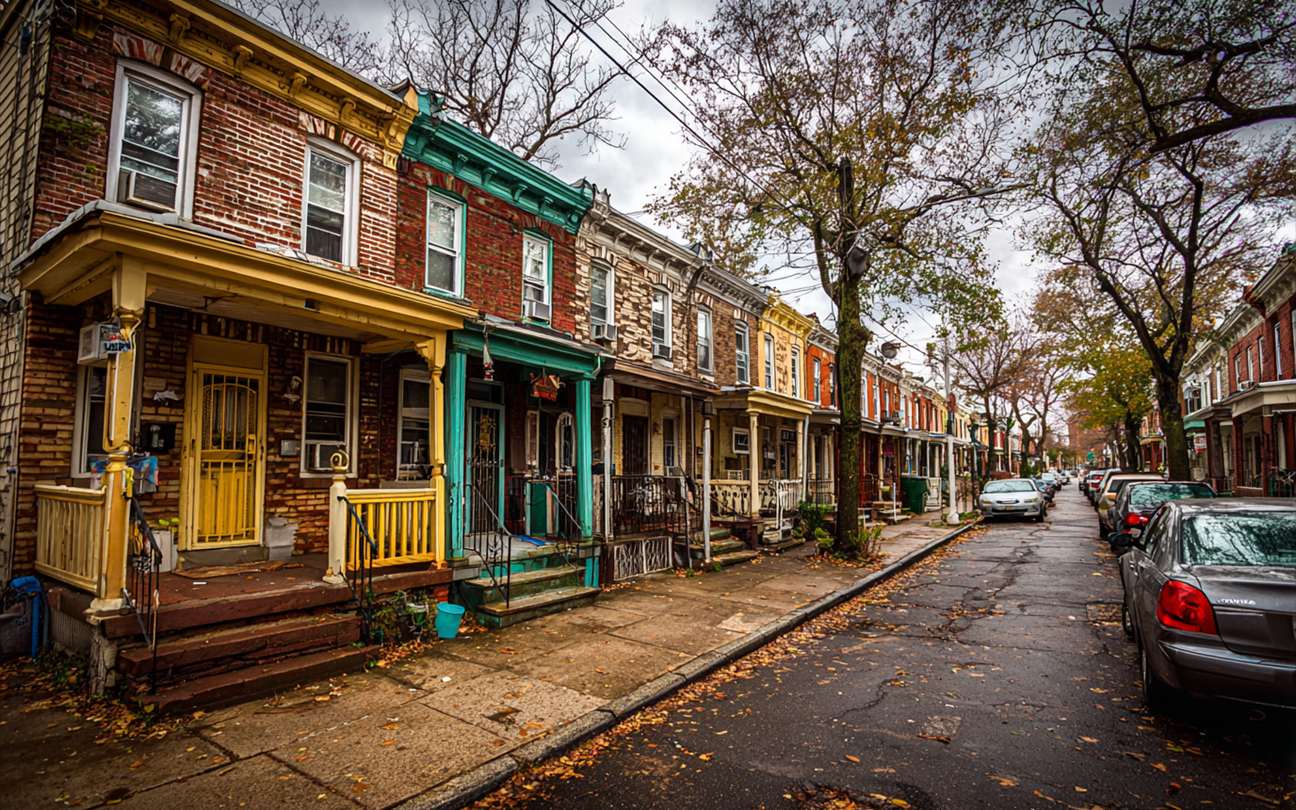
Elizabeth has two kinds of roof. In the city, most buildings have flat or nearly flat roofs: two- and three-family houses, attached rows and storefronts. In the towns around it, most houses have pitched roofs covered in shingles. Roofers here work on both every week. Talk to an Elizabeth roofer: (908) 270-5628.
Why the roof type matters on the phone. A flat roof leaks at seams, drains and the low walls around its edge. A pitched roof leaks at shingles, valleys, chimneys and vent pipes. When you call, say which kind you have, how many floors the building has, and where the water shows up inside. That helps the roofer bring the right materials the first time.
What this line is. A website and one phone number. Nobody here goes up on roofs or sells materials. The call goes to an independent roofing company that works in Elizabeth and the Union County towns around it.
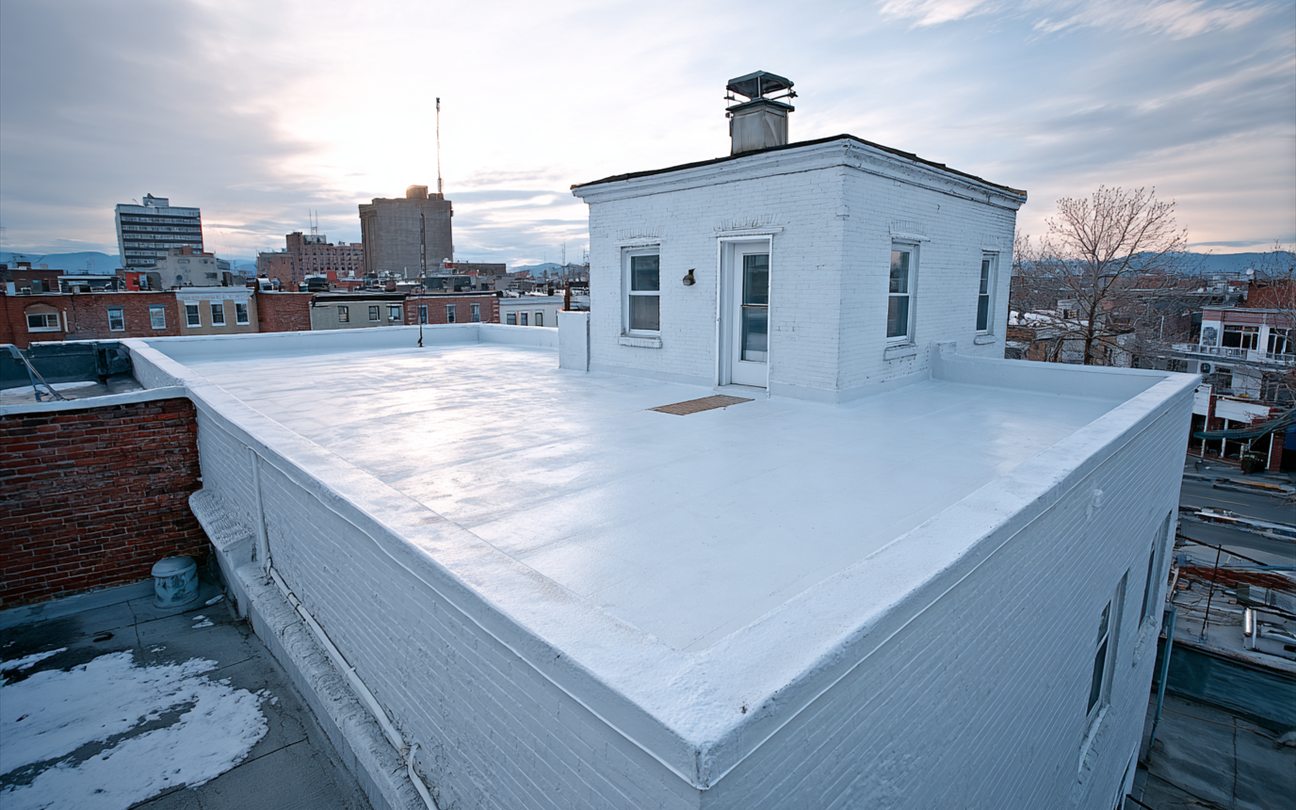
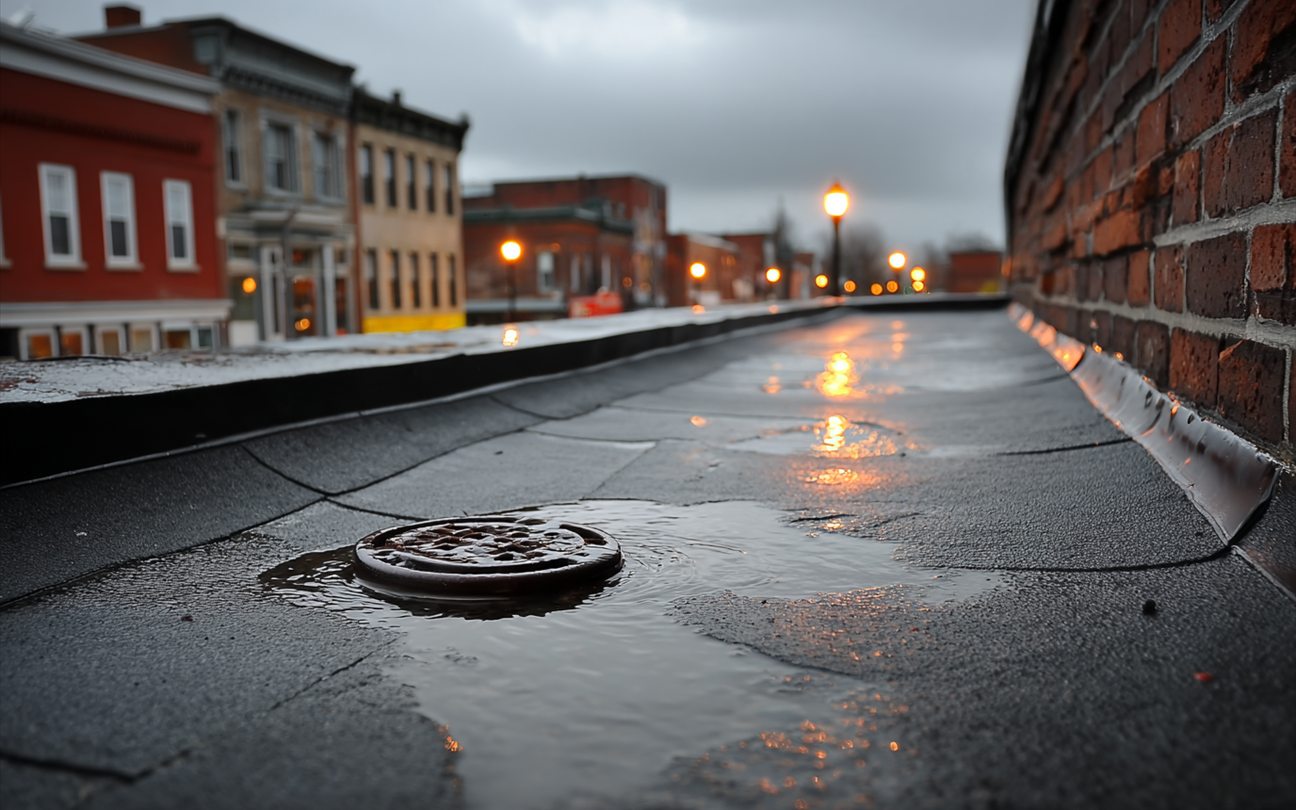
Look at almost any block in Elizabethport, Peterstown or Bayway and you'll see flat roofs behind short brick or block walls. They're covered in rubber, plastic sheet or layered asphalt, and they have to shed water through drains and openings in those walls. Trouble starts when water sits in one spot, when a seam pulls apart, or when the metal cap on top of the wall loosens. Finding the real entry point means walking the roof and checking the drains, so it's work for a roofer, not a ladder and a tube of caulk. Flat roof holding water? (908) 270-5628. Flat roofs on two- and three-family houses
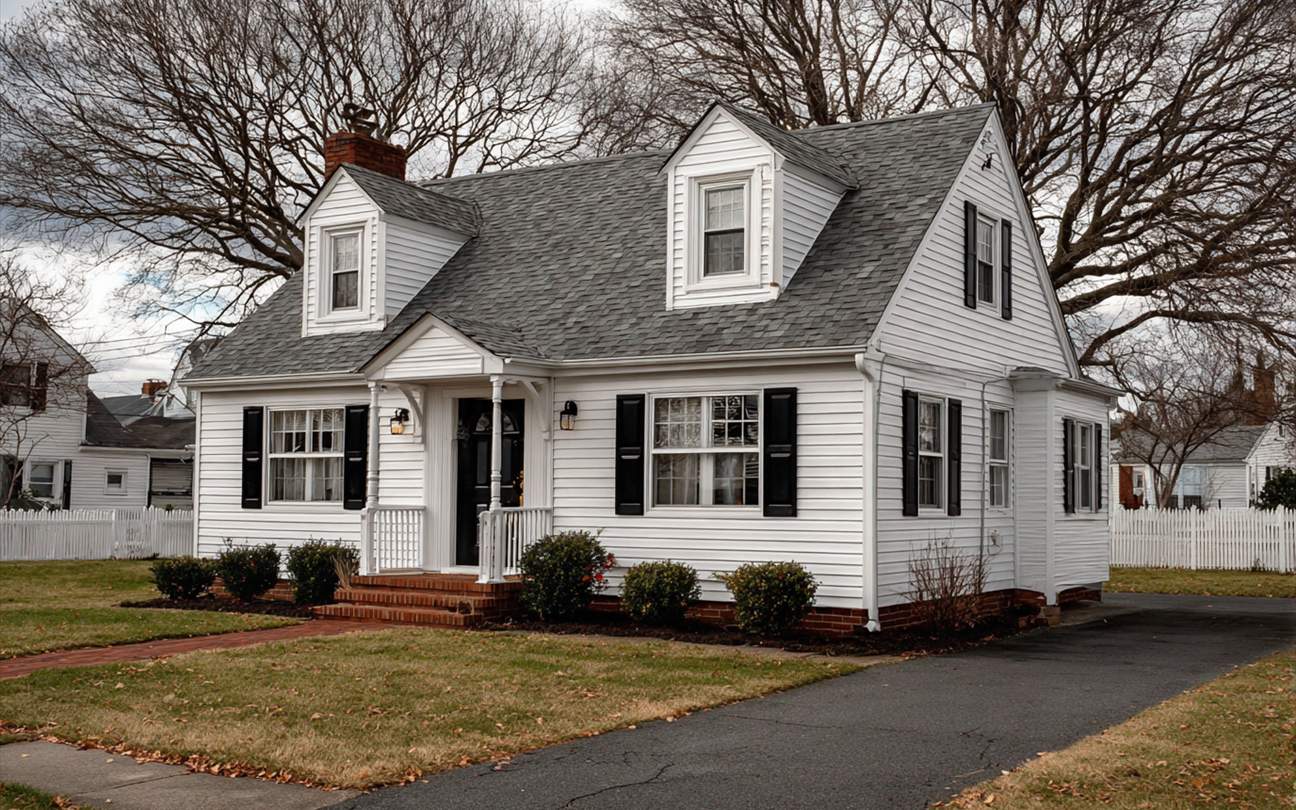
Head west into Union, Roselle Park or Cranford and the roofs tilt: Cape Cods with dormers, colonials, ranches and a few gambrels. Shingles wear out from sun and wind, and leaks usually start where two slopes meet, around a chimney, or at a dormer wall. A roofer checks the attic and the roof surface, then tells you whether a repair will hold or the roof is near the end of its run. Shingles or flat, same call: (908) 270-5628. Shingle roofs on houses
Call. Tell the roofer what you've seen and when. If you rent out the other floor, let your tenants know a roofer is coming so they can clear a path to the roof hatch or the attic.
Call, then tell your tenants what happens next and when. A leak that's handled quickly costs less than a ceiling that comes down months later. Ask the roofer for photos of what they find, so you have a record.
You can't hire a roofer for a building you don't own, but you can get the problem moving. Tell your landlord about the leak in writing today, with photos and the date it started. Keep a copy. Move your things away from the water and stay out from under any ceiling that sags.
Elizabeth sits right on the water, and its weather shows up on roofs in three ways:
After a big storm: check ceilings on the top floor, look at the roof from the street or a neighbor's window, and take photos. Don't go up on a wet or icy roof. Before the next nor'easter: (908) 270-5628. More: drains and standing water on flat roofs · wind and shingle ratings.
Reaching the roof is half the job on many Elizabeth buildings. A single-family house in Union has a driveway and room for a ladder. A three-family in Frog Hollow may sit inches from the house next door, with cars parked along both curbs and the only way up through a hatch in the top-floor apartment. Roofers here plan for that, but a few details from you save a trip:
For bigger jobs, a dumpster may need a spot on the street, and some blocks need a city permit for that. The roofer will tell you if yours does. Talk to an Elizabeth roofer: (908) 270-5628.
In the city
West and north
South and southwest
In most rentals, the roof belongs to the building owner, so the owner arranges and pays for the repair. The tenant's job is to report the leak promptly, in writing, and to protect their own belongings. A lease can add details about notice and access. A tenant's own insurance, if they have it, usually covers their belongings, not the building.
It depends on the material, how well it drains, and how it was put on. Many rubber and plastic sheet roofs last somewhere around 20 to 30 years, and older layered asphalt roofs often less. Standing water, foot traffic and patch after patch all shorten that. A roofer can tell you what you have and roughly how much life is left.
Often, yes. If the rest of the roof is sound, a roofer can cut out a damaged area and patch it, rebuild a seam, or redo the edge where the roof meets a wall. If the whole surface is cracked, blistered or soaked underneath, patching one spot just moves the leak, and the roofer should tell you so.
Why water sits, where it should go, and what fixes it.
When a coating buys real time and when it doesn't.
Why Capes leak where they do, and run hot in summer.