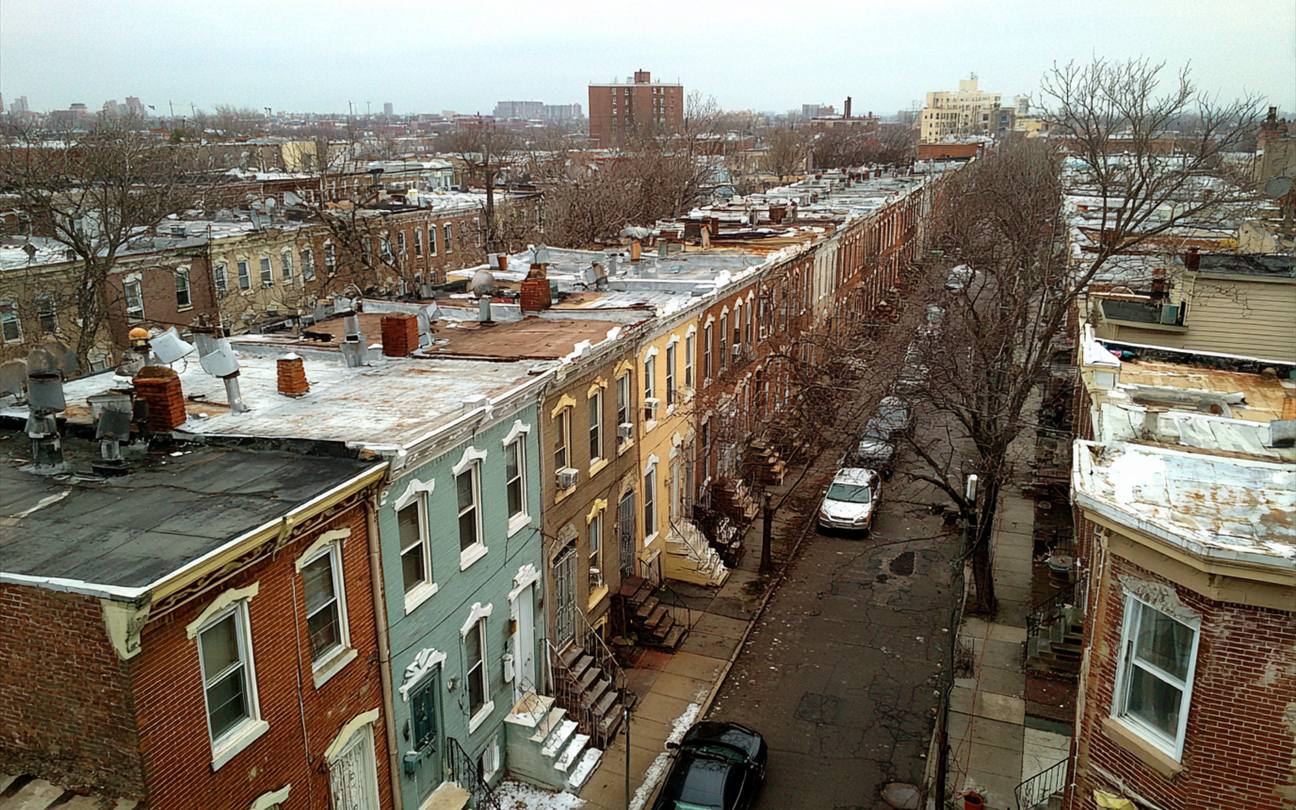
Replacing the roof on a building where people live is mostly a scheduling job. The roofing itself is the same as on an empty house. What changes is everything around it: tenants who need notice, a roof hatch inside someone's apartment, a dumpster that needs a parking space on a street where parking is already tight, and top-floor rooms that get noisy and dusty for a few days. Planning those pieces ahead keeps the job, and your tenants, on track.
Before the Job
- Get the schedule in writing. Start date, expected finish, and what happens if weather pushes it back.
- Tell tenants early. Give them the dates, the hours, and what to expect. A written note is better than a quick word in the hallway.
- Plan access. If the hatch is in a top-floor apartment, agree on when the roofer can come through, and how the floor will be protected.
- Plan the street. Ask the roofer where the dumpster or truck will go. Many Elizabeth streets need a city permit to put a dumpster in a parking space. Ask the roofer or the city before the date.
- Clear the yard. Cars, grills and bikes near the building should be moved out of the drop zone.
During the Job
- Noise starts early. Tear-off is loud. Tenants who work nights should know which days are worst.
- Dust and debris. Top-floor rooms may get dust through ceiling fixtures or the hatch. Suggest tenants cover belongings under the hatch and in closets near the roof.
- Watertight every night. Any open section of roof should be covered before the crew leaves each day. Ask how they'll do it.
- Utilities. If rooftop vents or a satellite dish need to come off and go back on, ask who handles it.
After the Job
Walk through the top-floor units with your tenants if you can. Look for anything that got dusty, scratched or moved. Ask the roofer for photos of the finished roof and a copy of both warranties, and keep them with the building's records.
If a Tenant Reports a Leak Mid-Job
Take it seriously and call the roofer right away. A sudden storm during a replacement can get past a temporary cover. Document it, fix the damage, and tell the tenant what happened.
Who Pays for What
The roof is the owner's responsibility. Tenants' belongings are usually covered by their own renters insurance, if they have it. For general information on landlord and tenant rights in New Jersey, the state publishes a plain-language guide: Truth in Renting. For questions about your specific lease, talk to a lawyer.
Questions
How much notice should tenants get?
Enough for them to plan around noise and access. A week or more is reasonable for a planned replacement, and as much as the situation allows for an urgent repair. Your lease may set out notice rules for entering an apartment.
Can tenants stay home during the job?
Usually, yes. Most roof replacements don't require anyone to leave. Top-floor tenants may prefer to be out during tear-off days.
What if the roofer finds rotten boards?
That's common on older buildings. Your contract should say how many replacement boards are included and the price of each extra one, so a surprise doesn't stop the job.
Around Elizabeth
This comes up most on the two- and three-family blocks of Peterstown, Elmora and Keighry Head. The job itself is covered on roof replacement.
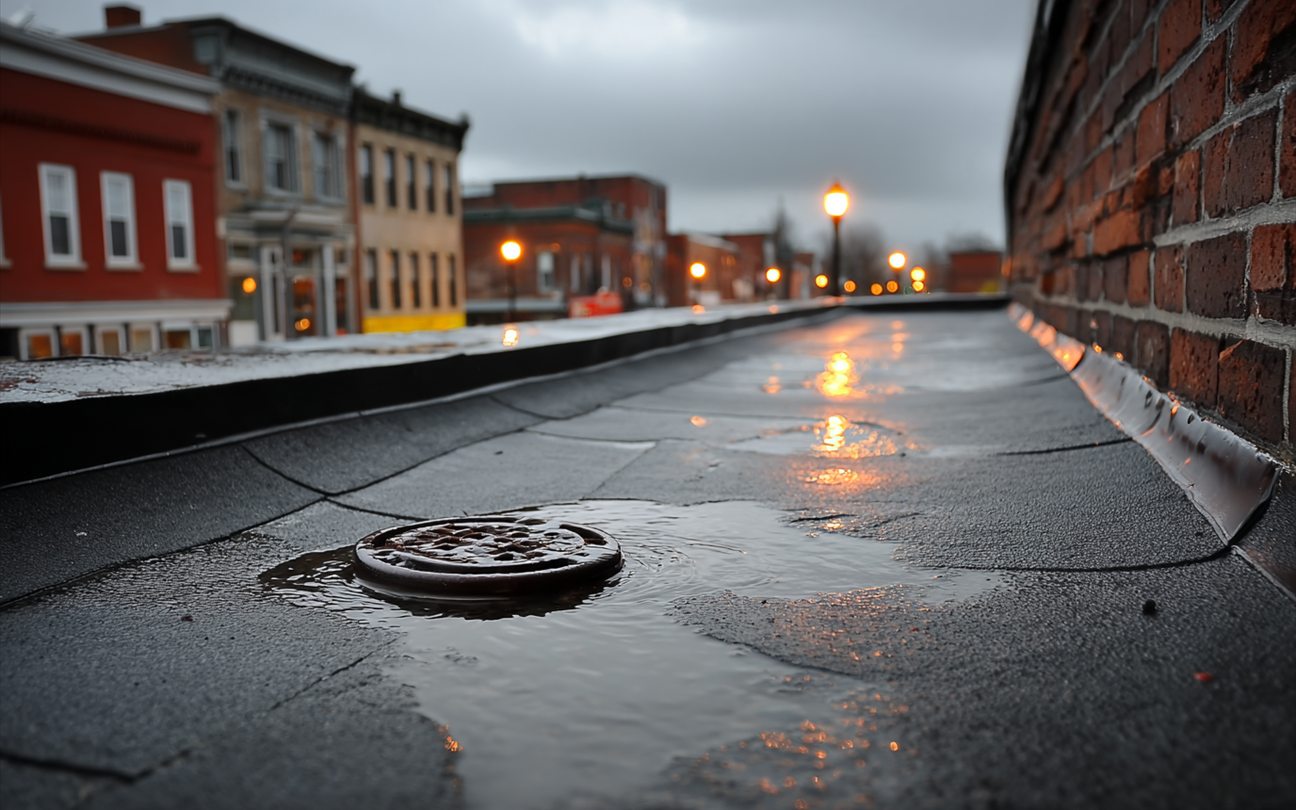
Ponding Water, Roof Drains and Scuppers on Flat Roofs
Why water sits, where it should go, and what fixes it.
Storefront and Mixed-Use Roofs
Rooftop equipment, curbs and parapets over shops.